Now booking projects for Spring 2025 – secure your spot today.
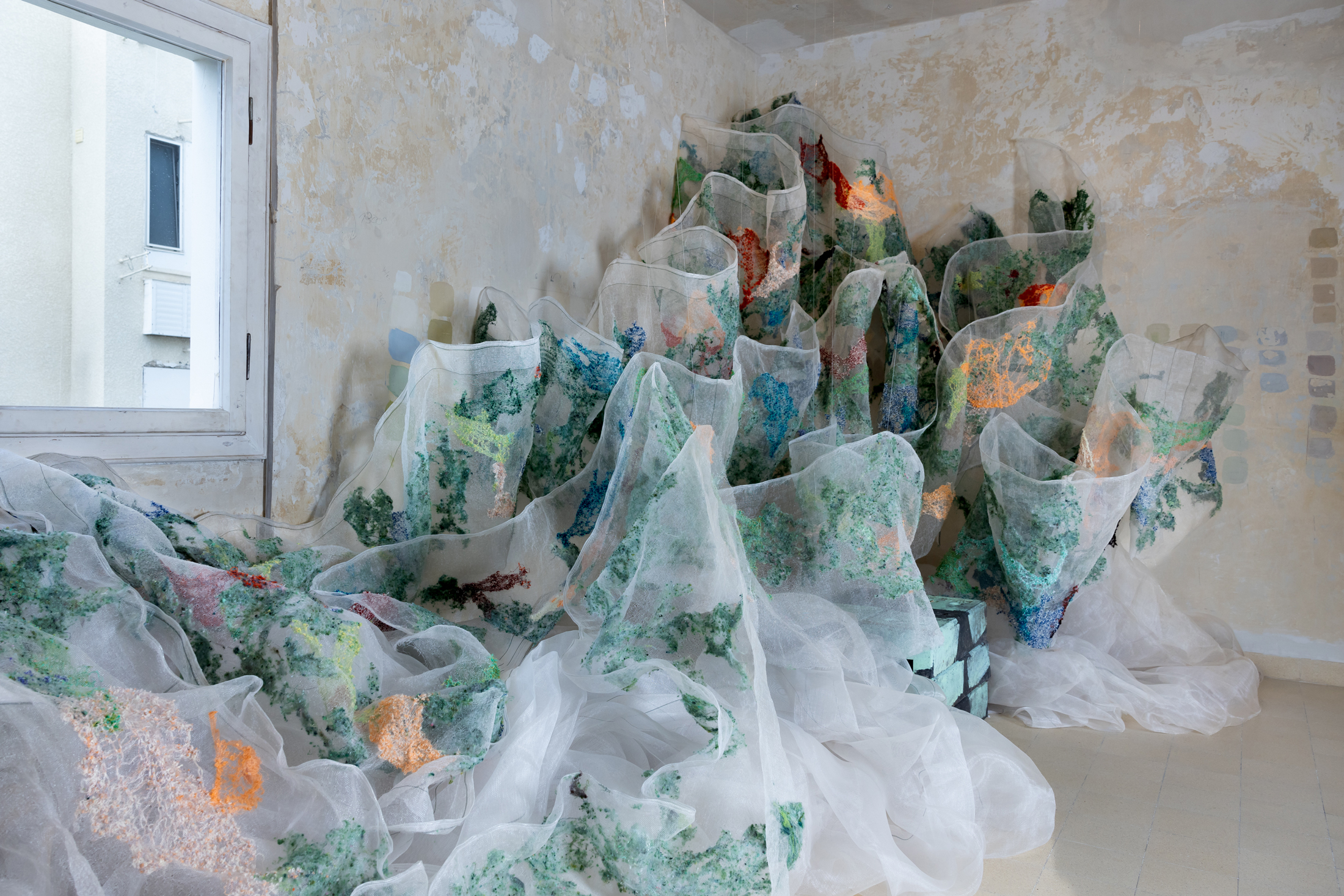
Keren Avni & Rebecca Sternberg, Hillel Ben Zeev-Perlov & Maïa Aboualiten, Gilat Blum, Jakob Brossmann & Yaron Steinberg, Alon Braier, Agata Wozniczka, and others.
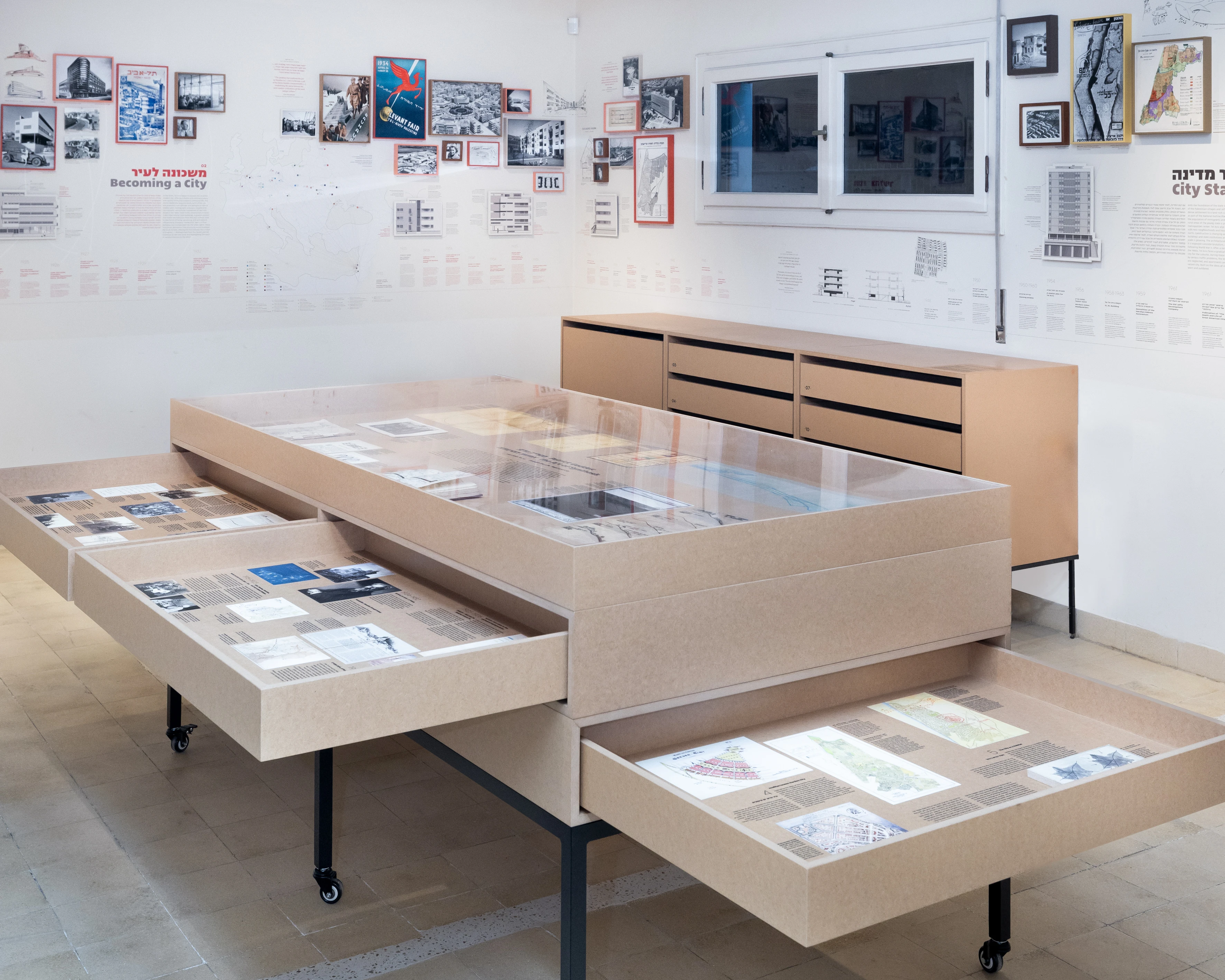
Life, Plant, City marks the centennial of Patrick Geddes' 1925 master plan for Tel Aviv - the visionary urban document that, almost uniquely among Geddes' planning proposals worldwide, was substantially realized, and that shaped the character of the city and the country's planning discourse for the century that followed.
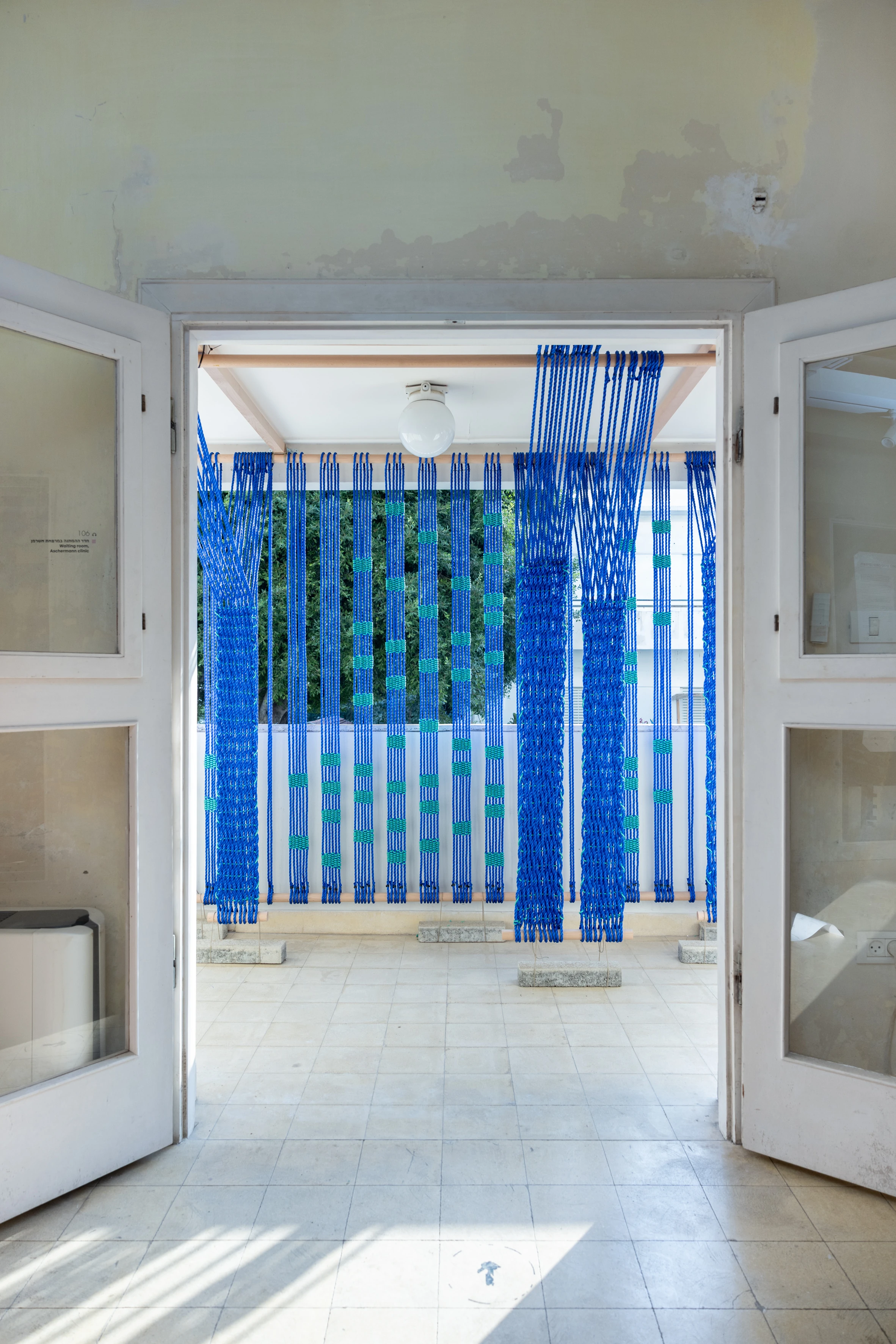
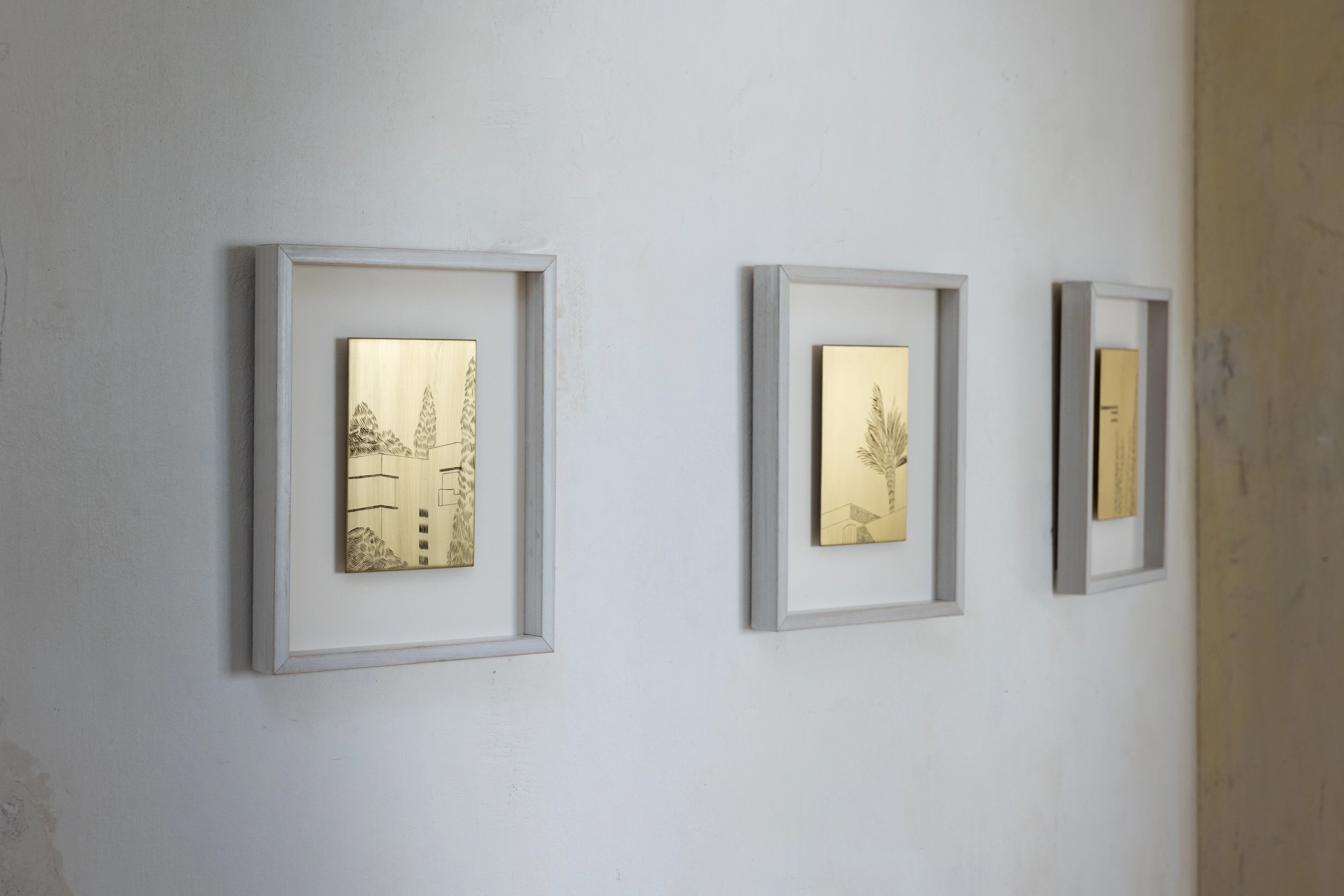
The exhibition unfolds throughout the entire Liebling Haus, allowing the building itself to function as both subject and frame. Designed in the 1930s to reflect the Garden City housing concept, the building serves as a vertical and horizontal cross-section through Geddes' ideas. Each floor takes on a different role: the ground floor opens with a historical and archival introduction alongside reflections on the contemporary city, while upper floors host contemporary artistic interpretations from Israel and abroad, and a closing section turning toward the city's future.
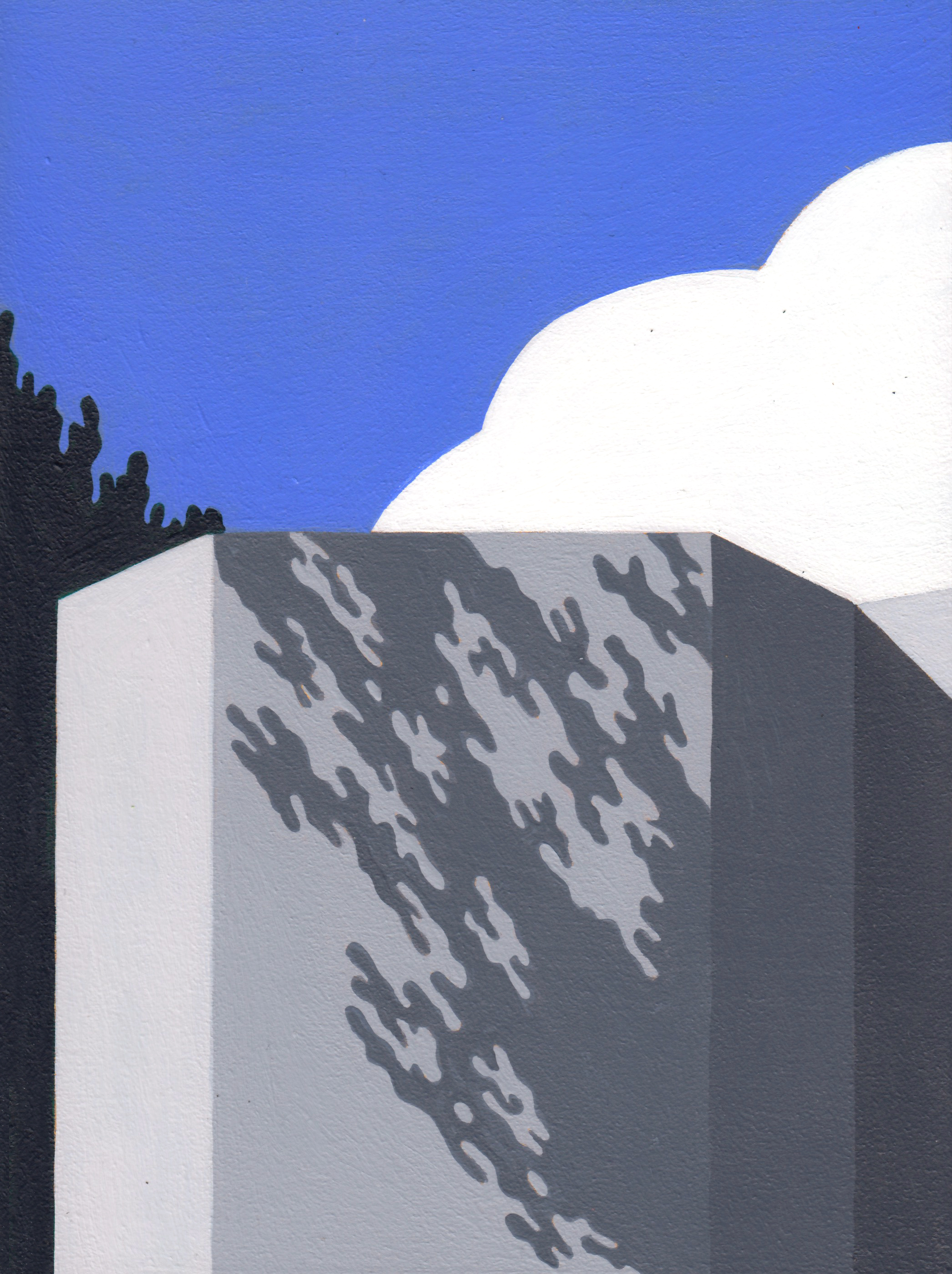
Geddes - biologist, botanist, sociologist, urban planner, and in essence a multidisciplinary thinker - viewed the city as a living fabric in which society, nature, environment, and culture are interconnected. The exhibition takes that integrative reading as its working method, gathering contemporary artists, architects, urbanists, and designers from Israel, India, France, Germany, and Austria, whose work responds to Geddes' legacy across the cities he shaped and the cities he never reached.
The building's facades and surroundings carry artworks responding to Geddes' ideas about the relationship between the building, its boundaries, and the street as shared urban habitat. A century after Geddes, the show asks what his vision still offers to contemporary questions of sustainability, public space, and the social structure of the city.